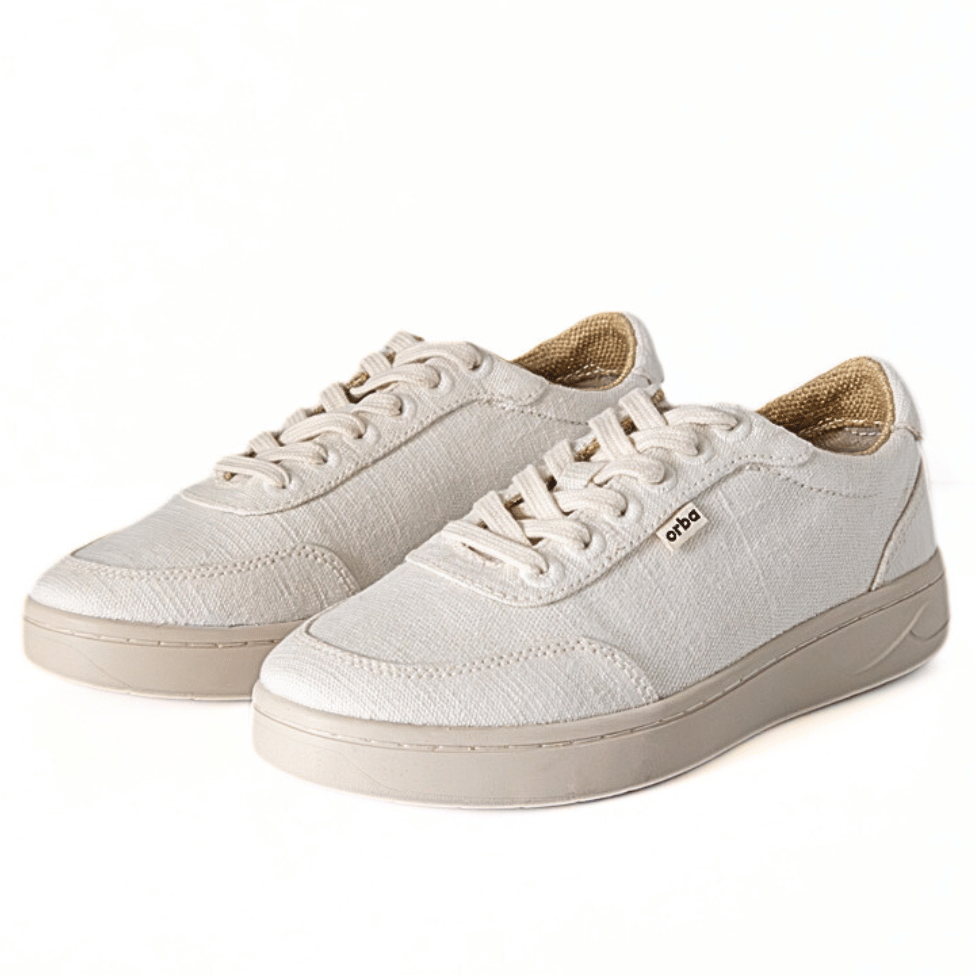



“Our shoes are designed to break down to nothing when you’ve finished with them, returning to the earth without a trace.”
Ghost collection
-
Women's Ghost Sneaker
Regular price $149.50 NZDRegular priceUnit price per$149.50 NZDSale price $149.50 NZD -
Men's Ghost Sneaker
Regular price $149.50 NZDRegular priceUnit price per$149.50 NZDSale price $149.50 NZD -
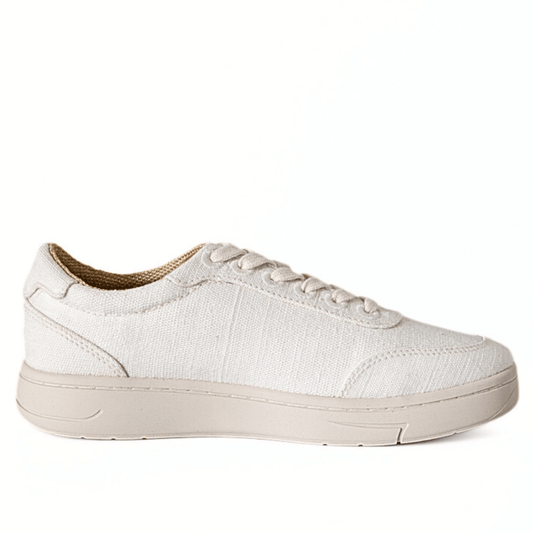
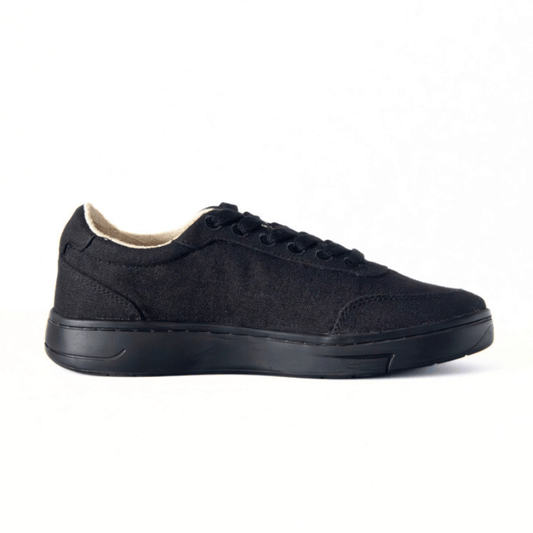
Women's Ghost Sneaker - Development Edition - Black / Black
Regular price $80.00 NZDRegular priceUnit price per$80.00 NZDSale price $80.00 NZD -
Men's Ghost Sneaker - Development Edition - Black / Black
Regular price $80.00 NZDRegular priceUnit price per$80.00 NZDSale price $80.00 NZD


Why we created plant-based shoes
Every year, 24 billion synthetic shoes are made from plastics, petrochemicals, and materials that can remain on Earth for centuries. Orba was created to prove everyday sneakers can be comfortable, durable, and made from renewable materials. Designed to return to the earth at end of life.
Plant-based materials, no plastic shortcuts
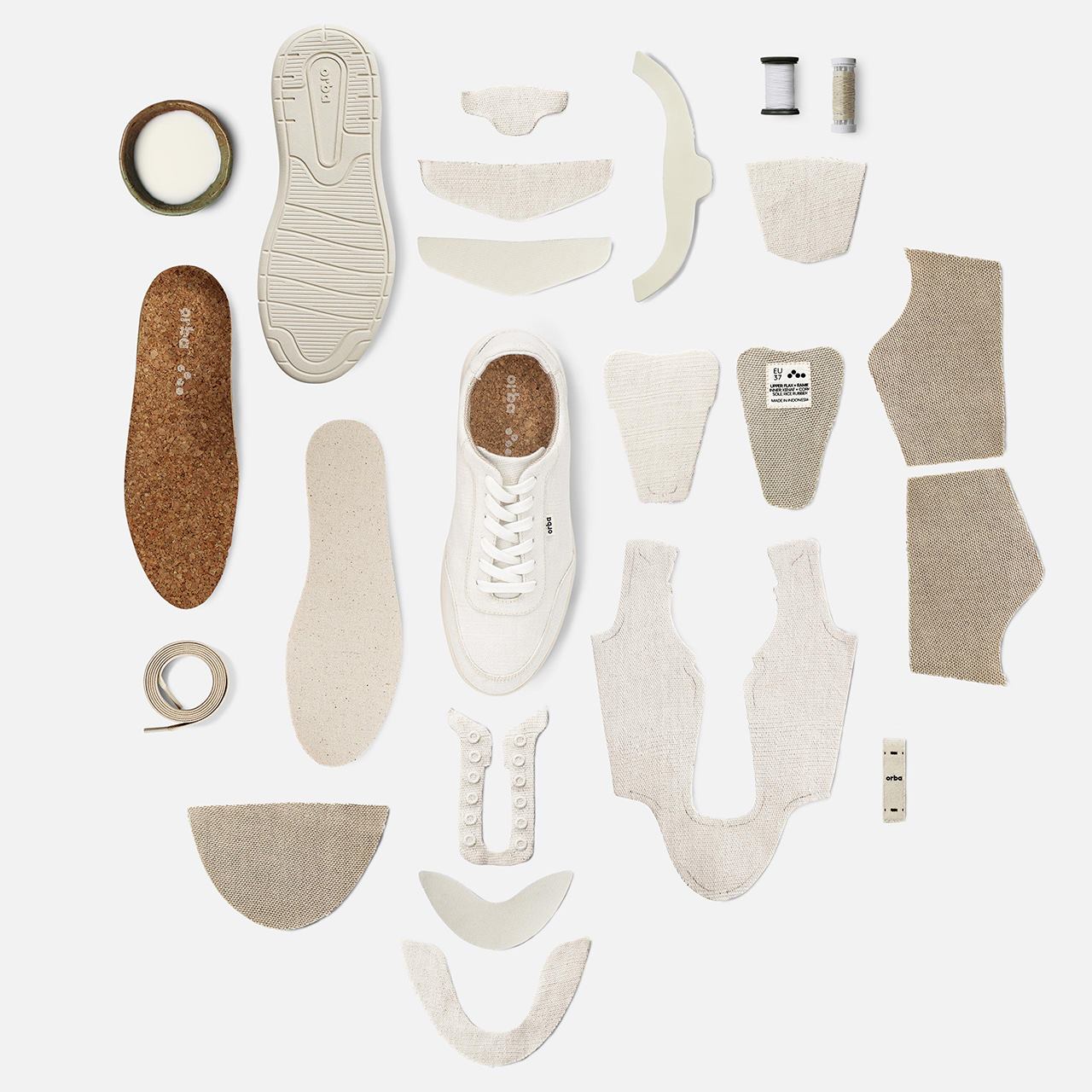
The Orba Ghost is crafted from flax, kenaf, ramie, cork, coconut husk, agave sisal, natural latex, coconut oil, rice husk ash, organic cotton, and cellulose acetate lace tips. The result is a certified, plant-based sneaker that avoids plastics, petroleum-based synthetics, solvent adhesives, synthetic dyes, metals, and forever chemicals. Even our eyelets are embroidered.
Reviews from our customers.
-
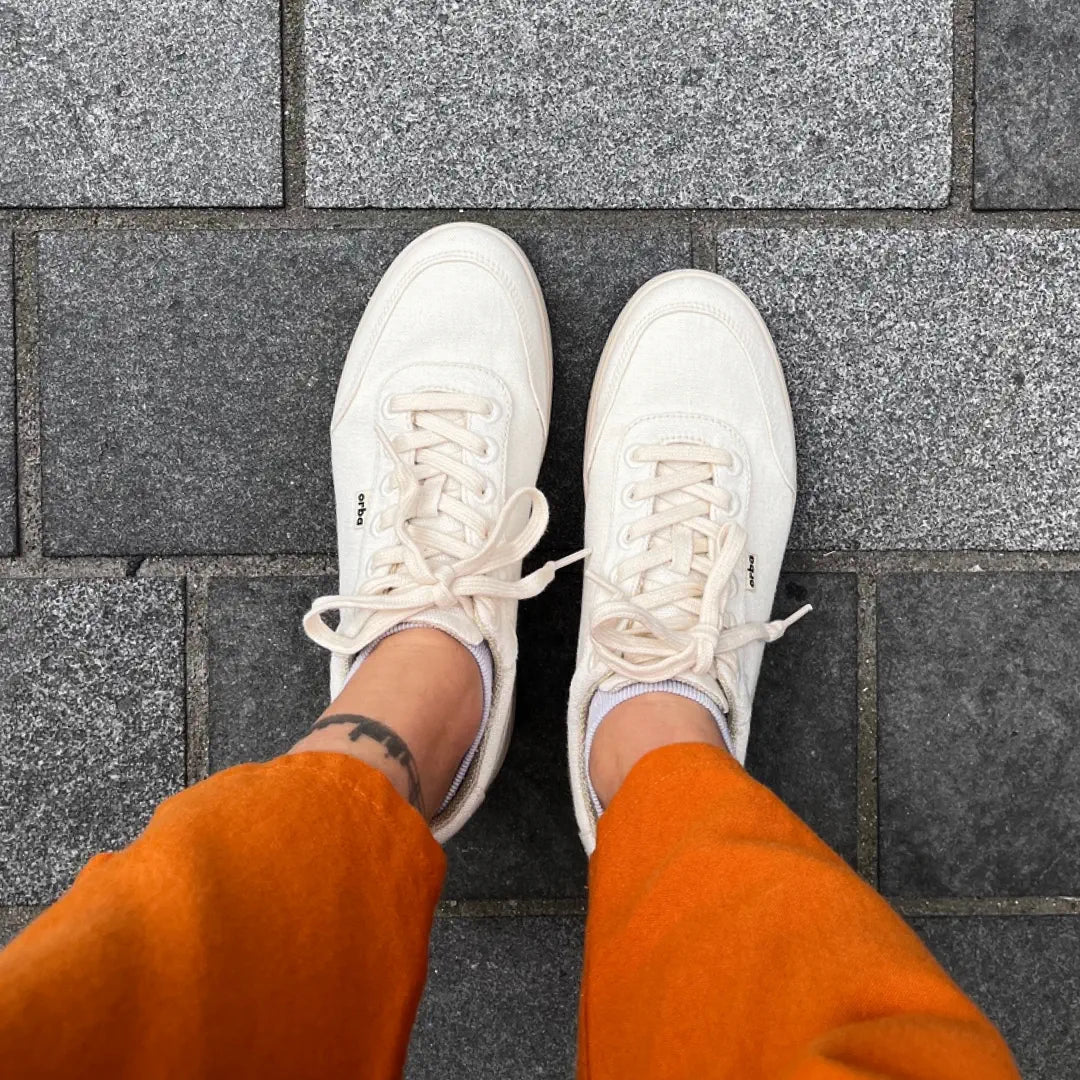
Priscila B.
★★★★★
"I’m enjoying my first pair of orba shoes. I bought them because of the environmental credentials, and now I’m enjoying how comfortable they are..."
-

Shayna R.
★★★★★
"I had my eye on them for a while and have not been disappointed. They’re very comfortable, feel durable and look great. "
-
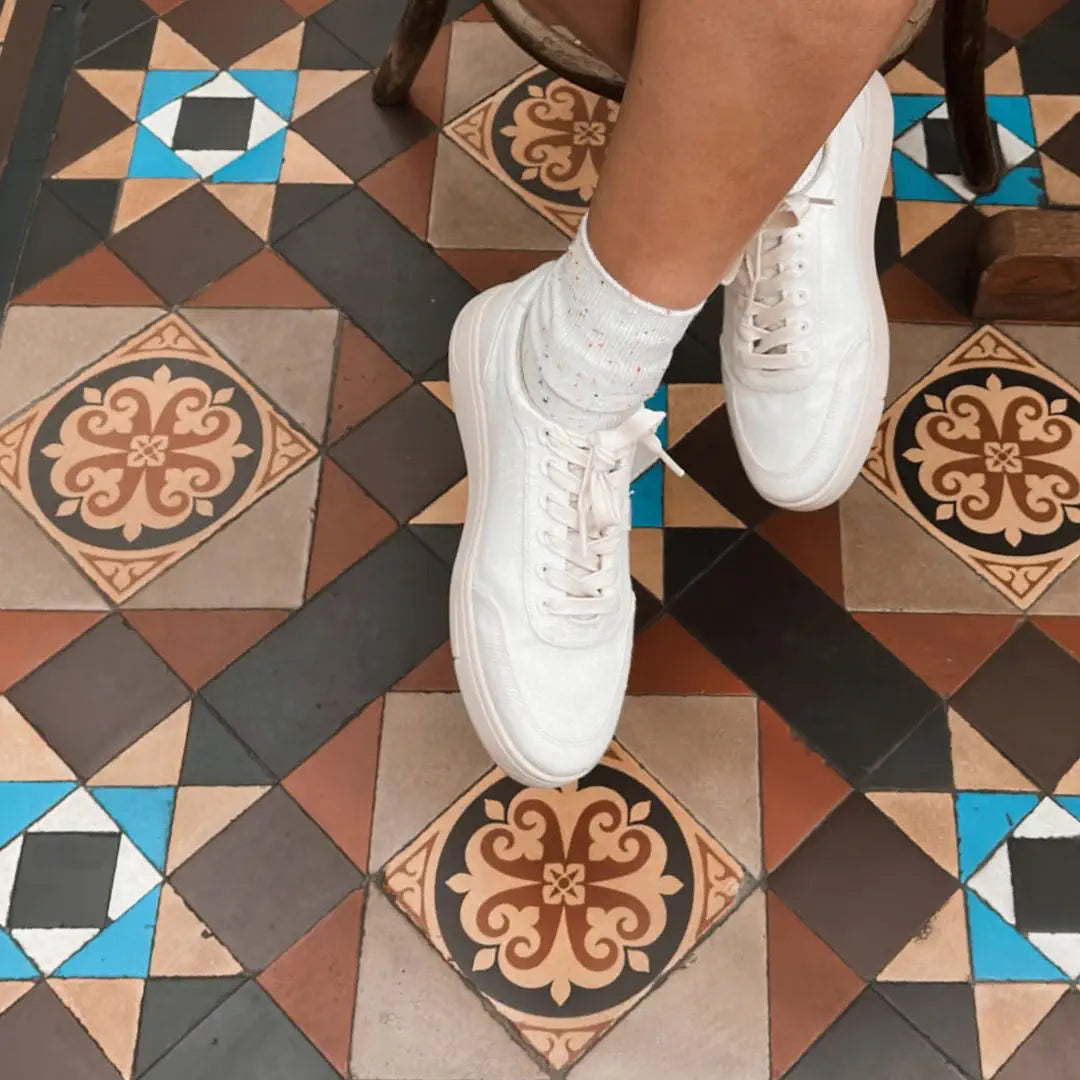
Marvin A.
★★★★★
"It’s very comfy to use and compliment with most of the outfits..."
-
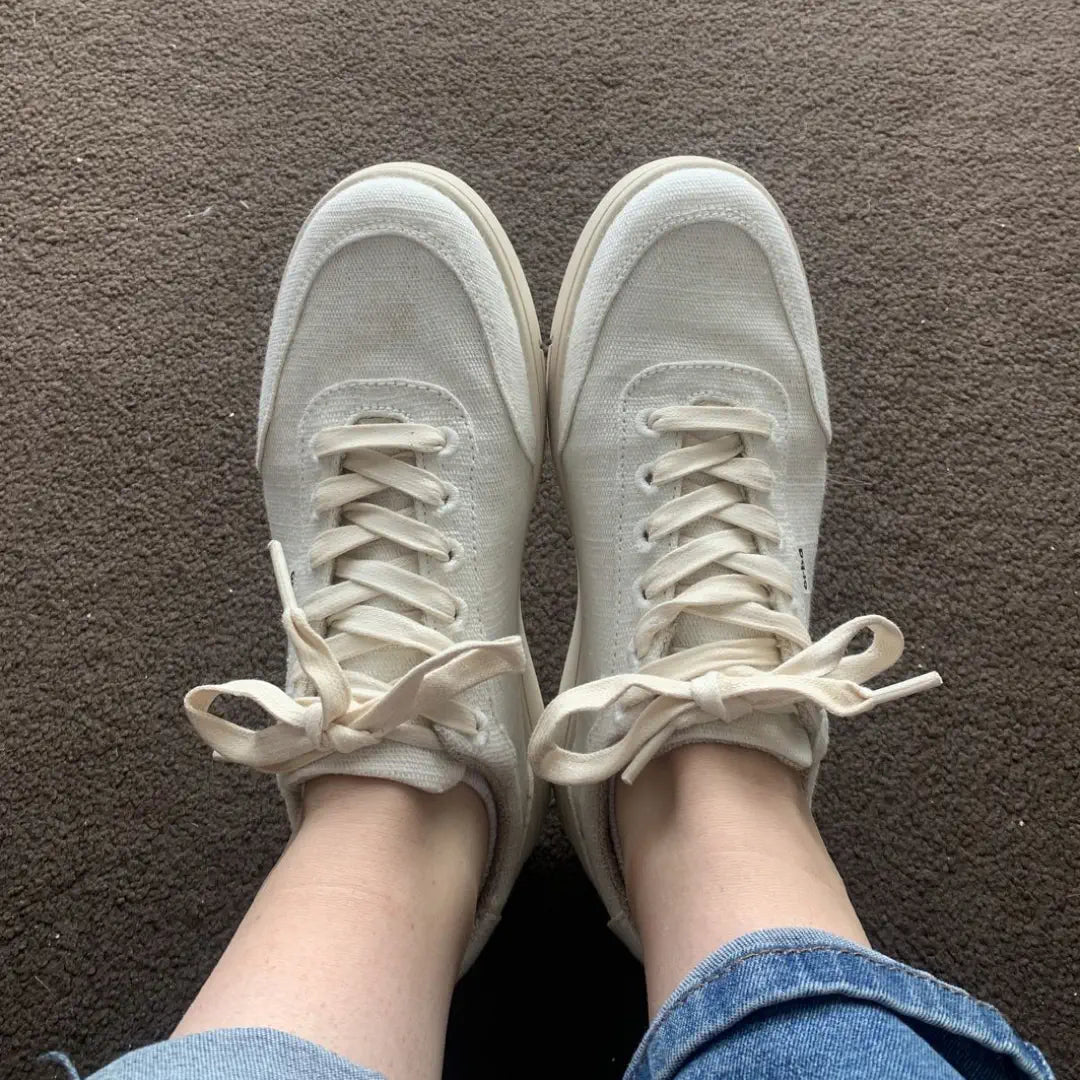
Kimberly B.
★★★★★
"I absolutely love them! So comfy from the first time I wore then and look so nice too, not to mention the story behind them! I’m telling all my friends to get some!"
Popular FAQ.
Will my Orba shoes actually biodegrade, or is that greenwash?
A fair question, and one we encourage. The honest answer is: yes, same as a tree trunk, in time, in the right environment. But not while you’re wearing them, not in storage and not unless the right microbes are present.
Every material in the Orba Ghost is specifically chosen for its ability to biodegrade safely at end of life. ISO 14855 testing by Scion Labs extrapolates a biodegradation time of 6 to 10 years once shredded, in a composting environment. For context, a synthetic sneaker discarded today will still be in the ground when your great-grandchildren are adults.
The shoe won’t start breaking down while you’re wearing it. It won’t fall apart in rain, or in healthy storage. We’ve worked hard to design a material that is stable during its useful life and biodegradable at the end of it, which is genuinely difficult, and genuinely rare.
We don’t say “fully biodegradable” because the standards require 94%+ mass loss, not 100%, and we think precision matters. We use traces of natural materials, such as sulphur, that do not biodegrade. What we can say, backed by independent testing, is that these are the most biodegradation-ready sneakers commercially available, with a verified path back to the soil.
What is the shoe actually made from? Why does it matter?
Over 95% of the Orba Ghost is bio-based, verified by USDA certification, the first and only rubber in the world to achieve it at 95%+. Here’s what that means in practice.
The sole is our own proprietary bio-rubber, made from natural latex, coconut oil, rice husk ash, natural trace elements, and some still secret waste-stream materials. No petrochemicals or mined silica. The upper is a 4-ply laminate of flax canvas, kenaf, and ramie: three fast-growing crops that can grow without irrigation, fertilisers, or pesticides, on otherwise unproductive land. The footbed layers cork, coconut husk, and agave sisal. Laces and stitching are certified organic cotton. Even the aglets (the tips on the laces) are made from cellulose acetate, a plant-based biodegradable alternative to the plastic ones on every other shoe.
Why does this matter? Conventional synthetic shoes leach petrochemicals, micro-plastics, and toxic material throughout their life and long after disposal. Orba’s materials don’t. There are no forever chemicals, no petroleum, no synthetics, no metals. The traces of non-plant-based ingredients, titanium dioxide, zinc oxide, and sulphur, are naturally occurring mineral-based substances needed for vulcanisation or, the same compounds found in sunscreens. They leave no toxic residue.
This is the result of 9+ years of science in materials innovation. Nothing in Orba is off the shelf.
How do they fit, and what if they don’t?
The Orba Ghost is designed slightly wider across the broadest part of the foot than most standard sneakers, while fitting close through the midfoot and heel. If you’ve found that fashion sneakers cut narrow and running shoes float loose, the Ghost sits between the two in a way most people find immediately comfortable.
Sizing runs true to standard. Measure the length of your longest foot in millimetres, add 5 to 20mm for toe room, and match to our size chart. The Ghost is unisex, so women and men use the same sizing guide.
The cork, coconut husk, and natural latex footbed moulds gradually to the shape of your foot over the first few weeks of wear, meaning they actually get more comfortable over time, not less. Most people notice this within the first 50 to 100km.
If the fit isn’t right, we offer a 30-day home try-on with one free exchange or a full refund, and further exchanges charging one freight and handling. Put them on at home, walk around, test them properly. We’d rather you try them than guess.
What’s the carbon footprint? How does it compare?
A pair of Orba Ghost sneakers has a verified carbon footprint of 7.8 kg CO₂-equivalent, measured by Carbon Trail using an ISO 14040/14067 cradle-to-grave Life Cycle Assessment. This method measures every stage from raw material growth to end-of-life disposal.
The industry average for a synthetic running shoe is approximately 14 kg CO₂-eq per pair (MIT study). Orba’s footprint is around 45% lower. Compared to a typical leather shoe, Orba is around 65% lower.
We publish these figures, so customers can see how these actual figures were achieved, and to set a benchmark for the industry. Our target is to reduce this further, to under 5 kg CO₂-eq per pair, through compound and process innovation currently in progress.
For context: the flax, kenaf, and ramie crops used in the upper can grow in four months on otherwise unproductive land, without fertilisers or irrigation, sequestering carbon as they grow. Kenaf for the lining absorbs CO₂ at roughly three times faster than equivalent trees. These aren’t incidental details. They’re why the number is what it is.
Are these shoes genuinely non-toxic? What about microplastics?
Yes. This was a design requirement.
Conventional synthetic shoes are made from petrochemical-derived plastics, synthetic rubbers, solvent-based adhesives, and synthetic dyes. These materials leach throughout their life, shed microplastics during wear, and release toxins during disposal. Research published in The Lancet has documented the health implications of ongoing microplastic exposure.
The Orba Ghost avoids all of it. No petroleum-based synthetics. No solvent adhesives, only water-based. No synthetic dyes, only plant-based or GOTS-certified organic. No metals, no forever chemicals. The rubber sole uses sulphur for vulcanisation and zinc oxide as a stabiliser, both naturally occurring mineral compounds found in sunscreens, selected specifically because they don’t leave toxic residues.
We can’t claim the shoe is “chemical-free” because everything contains chemicals, including natural ones. What we can say with precision is that every ingredient has been assessed for toxicity and chosen because it poses no known harm to wearers, workers, or the environment at any stage of its life. That’s a standard very few products in any category can meet, and none we’re aware of in footwear.
What does B Corp certification actually mean for a shoe company?
B Corp is a certification for businesses that meet independently verified standards of social and environmental performance, transparency, and accountability. Less than 1% of businesses globally qualify. Orba achieved certification in 2022, within three months of first sales, which may be a record. At recertification in August 2025, our score rose to 99.
In practical terms, it means a third party has assessed every part of how Orba operates: how workers in the supply chain are paid (all receive a living wage above local legal minimums), how our primary manufacturing facility is audited (BSCI-certified), how we handle smaller suppliers who can’t yet afford certification (we fund ILO SCORE training programmes directly), and how our environmental commitments are documented and measured.
B Corp doesn’t certify the product. It certifies the business behind it. It’s a useful signal that the sustainability claims on the shoe are made by people whose entire operation is held to independent account. For customers who’ve been misled by green marketing before, we think that matters.
How durable are they? Will plant-based materials hold up to everyday wear?
Every Orba design goes through 18 formal physical tests before production, covering abrasion resistance, tensile strength, flex resistance, sole adhesion, water resistance, and wet and dry slip resistance. Ghosts are field-tested over 800 to 1,200km of walking during development and first production, beyond the 500 to 800km expectation for a standard running shoe.
The upper materials, flax, kenaf, and ramie, were chosen partly because they’re harder-wearing than they look. Together in a 4-ply laminate, they match the performance of leather in durability and breathability while being fully renewable. The sole bio-rubber is engineered to the same functional standards as conventional rubber, not a lesser substitute.
The honest caveat: production quality can vary, affecting durability, and wear life will vary with conditions, body weight, gait, and how the shoe is used. The same is true of any footwear. What we can say is that over 6,000 pairs have been sold across five years of trading, with more than 800 five-star reviews, and no pattern of premature failure has emerged. That’s not marketing. That’s five years of real customers in real conditions.
What happens to my Orba shoes when I’m done with them?
Right now: the materials in your Ghost are specifically chosen to biodegrade safely once shredded in a microbially active environment such as a compost system or healthy soil. Unlike synthetic shoes, nothing in the Orba Ghost will leave toxic residues. If you can access industrial composting, shredding the shoes first significantly accelerates the process. ISO 14855 testing indicates biodegradation within 6 to 10 years once shredded, compared to 200+ years for synthetic alternatives.
We’re finalising our Sole to Soil return programme. The plan is to collect shoes at end of life, maybe supply a new pair at “member’s price”, shred them through what we call the Sole Destroyer (yes, that’s partly why the shoe is named the Ghost), and compost or bury the material, testing the resulting soil for toxins, worm health, and seedling growth.
We think the Orba Ghost represents the best commercially available alternative to a product that would otherwise sit in landfill for two centuries.
-
30 day home try on.
Try the plant-based comfort for yourself today.
-
Fast shipping & free returns in NZ.
Not happy with fit or feel? Free exchanges or your money back.
-
Pay with Afterpay.
Pay in 4 easy instalments with Afterpay.
-
Help always on hand.
hello@orbashoes.eco
0800 67 22 32